
US Open semifinal: Zverev tops Khachanov in two tie-breaks

The latest stories
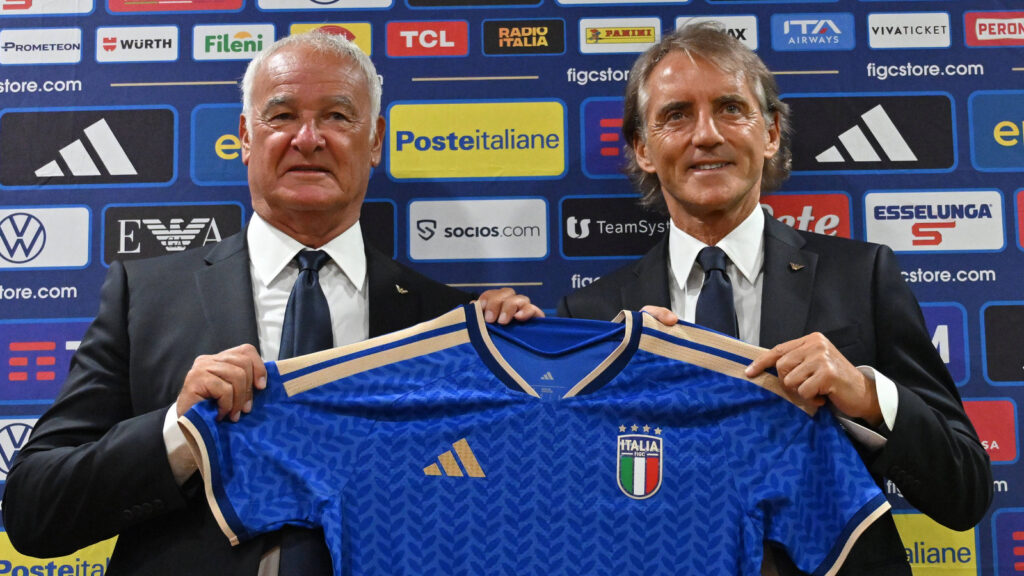
Italy, Nearly 70 Pre-Selections for Mancini: Squad List Announced Tomorrow, Spotlight on a New Generation
17 Sept 2026
Pure Class Raphinha
17 Sept 2026
Serie A has 14 players in the top 50, but only five are Italian
17 Sept 2026
From Robbery to DiaLise: Can Bayern’s new wing duo create their own legacy?
17 Sept 2026
Estudiantes oust Corinthians in Libertadores
17 Sept 2026
Barcelona 7-2 Real Racing Club: Raphinha hat-trick and big numbers
16 Sept 2026
Benfica beat AC Milan 2-0 at San Siro: stats and stars
16 Sept 2026US Open semifinal: Zverev tops Khachanov in two tie-breaks
Alexander Zverev booked his place in the US Open men’s final with a tight straight-sets win over Karen Khachanov, 6-3, 7-6 (9-7), 7-6 (8-6), under the lights at Arthur Ashe Stadium. The top seed leaned on a powerful serve and just enough precision in the tie-breaks to get through. The match was balanced in total points at 107-104, which tells you how small the margins were. Two breakers, both decided by a couple of points, proved decisive. Khachanov served first and asked questions throughout, but Zverev kept answering with big deliveries at key moments. Fans can revisit the full flow of points and all statistics on the match page on Sofascore.
Serve patterns set the tone
Zverev’s serve was his platform all night. He struck 15 aces to Khachanov’s 6 and won 78 service points overall to Khachanov’s 71. While Khachanov landed a higher first-serve percentage across the match at 74% compared to Zverev’s 68%, the German squeezed more from his second delivery. He won 60% of second-serve points compared to 50% for Khachanov, a gap that often decides close sets. First-serve points tilted slightly to Khachanov, 78% to 75%, but the volume and sting of Zverev’s first ball, plus those aces, kept most service games out of danger.
Set-by-set, the pattern took shape early. In the opener, Zverev won 82% of first-serve points and 75% on second serve, which dwarfed Khachanov’s 67% and 33% in those same categories. That early efficiency delivered the lone break he needed for 6-3. The risk was there too with 6 double faults to Khachanov’s 3, yet Zverev’s 15 aces more than compensated. Over 17 service games, the top seed kept the scoreboard moving and prevented long return stretches from building pressure.
Tie-break mastery seals sets two and three
The second set was a toss-up until its final points. Both players won 28 service points in the set, which is about as level as it gets. Receiver points were nearly even too, with Khachanov edging that metric 16 to 15. Each player converted one break point in the set, so it was always headed toward a narrow finish. In the tie-break, Zverev’s first-strike tennis held firm, closing it 9-7.
The third set followed a similar script, and maybe turned even tighter. Zverev piled up 30 service points won to Khachanov’s 28, but Khachanov actually claimed more on return, 12 to 5. That underlines how fiercely contested the set was, despite no breaks. Aces favored Zverev again at 5 to 3, and he kept his serve clean when it mattered most. In the breaker, the top seed found enough first serves and finished it 8-6 to wrap the match in three.
Return numbers and the few breaks that mattered
Across the match, Khachanov read the first serve a shade better, taking 25% of first-serve return points compared to Zverev’s 21%. The flip side is where Zverev made hay. He won 50% of second-serve return points, with Khachanov on 40%, repeatedly turning second-ball exchanges to his advantage. It showed up clearly in the opening set, where Zverev won 7 of 21 first-serve return points and 2 of 3 on the second serve, while Khachanov managed 3 of 17 and 2 of 8 respectively. That difference produced the break that put Zverev ahead on the scoreboard.
Overall, Zverev converted 2 break points to Khachanov’s 1 and saved 1 of 2 break points faced, while Khachanov saved 1 of 3. Return games played ended 16 for Zverev and 17 for Khachanov, a natural outcome with Khachanov serving first. In sets two and three, return success came in bursts for Khachanov, especially late, but Zverev’s ability to lock down service games cut off the path to a break. One timely return can swing a semifinal, but this one asked for sustained pressure and the tiebreaks did not offer much runway.
Shotmaking balance: winners versus errors
Zverev finished with 36 total winners to Khachanov’s 27, another narrow edge that mattered in such a close match. On the forehand side it was 15 to 13 in Zverev’s favor, while Khachanov led backhand winners 8 to 6. At net, Zverev chipped in 3 volley winners to Khachanov’s 1. Groundstroke winner counts leaned to Khachanov 20 to 18, a nod to his baseline ball-striking. But Zverev’s serve plus one patterns and timely forays kept his winner count higher overall.
The error ledger tells a careful story. Unforced errors were basically even at 34 for Zverev and 35 for Khachanov, so neither player was spraying for free. The broader groundstroke error line was 42 for Zverev to 33 for Khachanov, which suggests Khachanov extracted more forced errors. Even so, Zverev’s 5-3 maximum games run and heavier winner output helped him control momentum. With total points almost level at 107-104, those extra clean strikes across two tiebreaks drew the line between winning and chasing.
What it means and where to follow
Beating a dangerous opponent in straight sets, with two tight breakers, is a semifinal result that travels well into the final. Zverev’s second-serve reliability and tie-break poise will be the two areas he will want to bottle. Khachanov’s numbers show how close this was, especially his edge on first-serve return points and his baseline winners. He asked the right questions. Zverev just found the right answers when the scoreboard blinked red.
If you want to dive deeper, every stat from aces to return points is available on Sofascore’s live match center. The Sofascore match page tracks momentum, service patterns, and point-by-point detail in real time and after the final handshake. As the tournament moves to its last chapter on the hard courts of New York, you can follow live scores, in-depth data, and player form on Sofascore. The numbers will be ready when the first ball is tossed.
 US Open, Men



The latest stories
Italy, Nearly 70 Pre-Selections for Mancini: Squad List Announced Tomorrow, Spotlight on a New Generation
17 Sept 2026Pure Class Raphinha
17 Sept 2026Serie A has 14 players in the top 50, but only five are Italian
17 Sept 2026From Robbery to DiaLise: Can Bayern’s new wing duo create their own legacy?
17 Sept 2026Estudiantes oust Corinthians in Libertadores
17 Sept 2026Barcelona 7-2 Real Racing Club: Raphinha hat-trick and big numbers
16 Sept 2026
Alexander Zverev booked his place in the US Open men’s final with a tight straight-sets win over Karen Khachanov, 6-3, 7-6 (9-7), 7-6 (8-6), under the lights at Arthur Ashe Stadium. The top seed leaned on a powerful serve and just enough precision in the tie-breaks to get through. The match was balanced in total points at 107-104, which tells you how small the margins were. Two breakers, both decided by a couple of points, proved decisive. Khachanov served first and asked questions throughout, but Zverev kept answering with big deliveries at key moments. Fans can revisit the full flow of points and all statistics on the match page on Sofascore.
Serve patterns set the tone
Zverev’s serve was his platform all night. He struck 15 aces to Khachanov’s 6 and won 78 service points overall to Khachanov’s 71. While Khachanov landed a higher first-serve percentage across the match at 74% compared to Zverev’s 68%, the German squeezed more from his second delivery. He won 60% of second-serve points compared to 50% for Khachanov, a gap that often decides close sets. First-serve points tilted slightly to Khachanov, 78% to 75%, but the volume and sting of Zverev’s first ball, plus those aces, kept most service games out of danger.
Set-by-set, the pattern took shape early. In the opener, Zverev won 82% of first-serve points and 75% on second serve, which dwarfed Khachanov’s 67% and 33% in those same categories. That early efficiency delivered the lone break he needed for 6-3. The risk was there too with 6 double faults to Khachanov’s 3, yet Zverev’s 15 aces more than compensated. Over 17 service games, the top seed kept the scoreboard moving and prevented long return stretches from building pressure.
Tie-break mastery seals sets two and three
The second set was a toss-up until its final points. Both players won 28 service points in the set, which is about as level as it gets. Receiver points were nearly even too, with Khachanov edging that metric 16 to 15. Each player converted one break point in the set, so it was always headed toward a narrow finish. In the tie-break, Zverev’s first-strike tennis held firm, closing it 9-7.
The third set followed a similar script, and maybe turned even tighter. Zverev piled up 30 service points won to Khachanov’s 28, but Khachanov actually claimed more on return, 12 to 5. That underlines how fiercely contested the set was, despite no breaks. Aces favored Zverev again at 5 to 3, and he kept his serve clean when it mattered most. In the breaker, the top seed found enough first serves and finished it 8-6 to wrap the match in three.
Return numbers and the few breaks that mattered
Across the match, Khachanov read the first serve a shade better, taking 25% of first-serve return points compared to Zverev’s 21%. The flip side is where Zverev made hay. He won 50% of second-serve return points, with Khachanov on 40%, repeatedly turning second-ball exchanges to his advantage. It showed up clearly in the opening set, where Zverev won 7 of 21 first-serve return points and 2 of 3 on the second serve, while Khachanov managed 3 of 17 and 2 of 8 respectively. That difference produced the break that put Zverev ahead on the scoreboard.
Overall, Zverev converted 2 break points to Khachanov’s 1 and saved 1 of 2 break points faced, while Khachanov saved 1 of 3. Return games played ended 16 for Zverev and 17 for Khachanov, a natural outcome with Khachanov serving first. In sets two and three, return success came in bursts for Khachanov, especially late, but Zverev’s ability to lock down service games cut off the path to a break. One timely return can swing a semifinal, but this one asked for sustained pressure and the tiebreaks did not offer much runway.
Shotmaking balance: winners versus errors
Zverev finished with 36 total winners to Khachanov’s 27, another narrow edge that mattered in such a close match. On the forehand side it was 15 to 13 in Zverev’s favor, while Khachanov led backhand winners 8 to 6. At net, Zverev chipped in 3 volley winners to Khachanov’s 1. Groundstroke winner counts leaned to Khachanov 20 to 18, a nod to his baseline ball-striking. But Zverev’s serve plus one patterns and timely forays kept his winner count higher overall.
The error ledger tells a careful story. Unforced errors were basically even at 34 for Zverev and 35 for Khachanov, so neither player was spraying for free. The broader groundstroke error line was 42 for Zverev to 33 for Khachanov, which suggests Khachanov extracted more forced errors. Even so, Zverev’s 5-3 maximum games run and heavier winner output helped him control momentum. With total points almost level at 107-104, those extra clean strikes across two tiebreaks drew the line between winning and chasing.
What it means and where to follow
Beating a dangerous opponent in straight sets, with two tight breakers, is a semifinal result that travels well into the final. Zverev’s second-serve reliability and tie-break poise will be the two areas he will want to bottle. Khachanov’s numbers show how close this was, especially his edge on first-serve return points and his baseline winners. He asked the right questions. Zverev just found the right answers when the scoreboard blinked red.
If you want to dive deeper, every stat from aces to return points is available on Sofascore’s live match center. The Sofascore match page tracks momentum, service patterns, and point-by-point detail in real time and after the final handshake. As the tournament moves to its last chapter on the hard courts of New York, you can follow live scores, in-depth data, and player form on Sofascore. The numbers will be ready when the first ball is tossed.