
Serie A has 14 players in the top 50, but only five are Italian

The latest stories
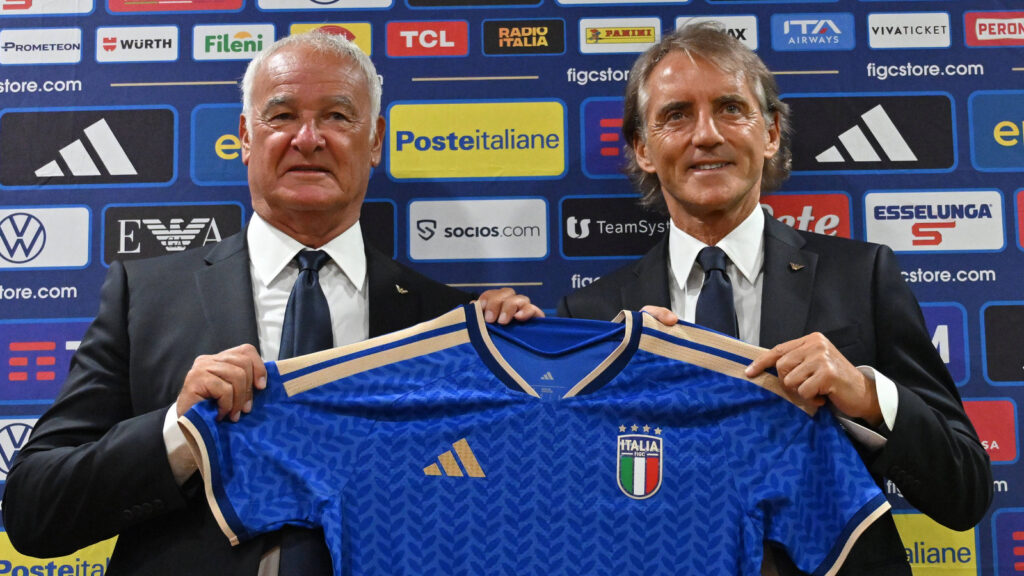
Italy, Nearly 70 Pre-Selections for Mancini: Squad List Announced Tomorrow, Spotlight on a New Generation
17 Sept 2026
Pure Class Raphinha
17 Sept 2026
From Robbery to DiaLise: Can Bayern’s new wing duo create their own legacy?
17 Sept 2026
Estudiantes oust Corinthians in Libertadores
17 Sept 2026
Barcelona 7-2 Real Racing Club: Raphinha hat-trick and big numbers
16 Sept 2026
Benfica beat AC Milan 2-0 at San Siro: stats and stars
16 Sept 2026Serie A has 14 players in the top 50, but only five are Italian
If we want to understand how Europe’s biggest leagues are using young players, one number immediately catches the eye: Serie A has 14 players in the top 50 highest-rated footballers aged 21 or younger this season. That puts Italy level with Ligue 1 at the top of the ranking, ahead of LaLiga and the Bundesliga, which have eight players each, while the Premier League has only six. At first glance, this looks like excellent news for Italian football.
But there is an important detail hidden behind that number.
Only five of Serie A’s 14 representatives are Italian. That means Italians account for just 35.7% of the Serie A players in this top 50, while the other nine come from nine different countries. And that changes the story considerably.
Serie A’s young talent is highly international
The five Italians are Raphael Kofler, Pio Esposito, Alessandro Romano, Emanuele Lulli and Simone Lontani. The other nine are Jacobo Ramón from Spain, Franco Mastantuono from Argentina, Assane Diao from Senegal, Darryl Bakola from France, Vasilije Adžić from Montenegro, Alieu Njie from Sweden, Jay Robinson from England, Juan Rodríguez from Uruguay and Christ Inao Oulaï from Ivory Coast.
That is perhaps the most interesting part of the entire ranking. Serie A is clearly providing opportunities to young players, but those opportunities are being distributed across an extremely international talent pool. And the five Italian players are not merely making up the numbers.
Alessandro Romano has played all 360 available minutes for Cagliari, starting every match. Emanuele Lulli has played 322 minutes for Roma, while Pio Esposito has accumulated 290 minutes for Inter. Simone Lontani has played 252 minutes for Parma. Raphael Kofler is the exception, with 68 minutes in three appearances. He has the highest rating among the five Italians, 7.20, but his smaller sample means that figure should be treated with more caution. So four of the five Italians have already played at least 252 minutes. The issue, therefore, is not simply that Italian youngsters are sitting on the bench.
The more interesting question is how many Italian youngsters are reaching this level in the first place?
The clubs tell another part of the story
Cagliari have three players in the top 50: Kofler, Romano and Rodríguez. Como and Sassuolo have two each, while Fiorentina also have two. Inter and Roma are represented by Esposito and Lulli respectively. That distribution is worth noting because the Italian names are largely coming from clubs outside the traditional group of Serie A giants. Romano is playing every minute for Cagliari, Lulli is receiving substantial playing time at Roma, and Esposito is the notable exception at a major club. Esposito is arguably the most interesting case.
The Inter striker is ranked 25th overall with a 7.13 rating, two goals and one assist in four appearances, having played 290 minutes. Unlike some players whose ranking is built on a handful of substitute appearances, Esposito has already been given a meaningful role.
If he maintains that level, his development could become particularly important for Italian football.
Italy’s numbers look better than they actually are
This is where the comparison with the other leagues becomes useful. Ligue 1 also has 14 players in the top 50, continuing France’s reputation for giving young footballers opportunities. LaLiga and the Bundesliga have eight each, while the Premier League has six. The German figure comes from a smaller sample because the Bundesliga has played only three rounds, which is why the minimum threshold for this ranking was lowered to three appearances.
But the Italian figure deserves a different interpretation.
Fourteen U21 players in the top 50 sounds like evidence of a thriving Italian youth system. Five Italian players out of those 14 tells a more complicated story. Serie A is using young footballers, but a large proportion of the most highly rated ones are foreign. That is not necessarily a problem for the clubs themselves. Serie A clubs are competing in a global transfer market, and recruiting talented young players from abroad is a normal part of modern football.
For the Italian national team, however, the distinction is crucial.
A Spanish, Argentine, Senegalese or Montenegrin youngster developing in Serie A may strengthen the league, but he does not expand the pool of players available to Italy.And that is why the nationality breakdown is arguably more revealing than the headline figure of 14.
Lamine Yamal is in a league of his own
At the top of the overall ranking, meanwhile, there is no suprise.
Lamine Yamal leads all U21 players with an Sofascore rating of 8.45, after scoring seven goals in six LaLiga appearances.
The season has only just begun, so the ranking will inevitably change. Most players have made between three and six appearances, and a few strong performances can significantly influence an Sofasccre rating.
Still, the distribution already gives us something worth discussing.
Serie A have talent but…
Serie A is not short of young talent. In fact, 14 players currently place it level with Ligue 1 for the most representatives in the top 50.
But only five are Italian. The numbers raise a broader question about the pathway producing the next generation of Italian footballers. Serie A is young. Serie A is international. But those are not necessarily the same thing as producing young Italian players. And with only five Italians among the league’s 14 representatives in this ranking, that distinction is impossible to ignore.
The latest stories
Italy, Nearly 70 Pre-Selections for Mancini: Squad List Announced Tomorrow, Spotlight on a New Generation
17 Sept 2026Pure Class Raphinha
17 Sept 2026From Robbery to DiaLise: Can Bayern’s new wing duo create their own legacy?
17 Sept 2026Estudiantes oust Corinthians in Libertadores
17 Sept 2026Barcelona 7-2 Real Racing Club: Raphinha hat-trick and big numbers
16 Sept 2026
If we want to understand how Europe’s biggest leagues are using young players, one number immediately catches the eye: Serie A has 14 players in the top 50 highest-rated footballers aged 21 or younger this season. That puts Italy level with Ligue 1 at the top of the ranking, ahead of LaLiga and the Bundesliga, which have eight players each, while the Premier League has only six. At first glance, this looks like excellent news for Italian football.
But there is an important detail hidden behind that number.
Only five of Serie A’s 14 representatives are Italian. That means Italians account for just 35.7% of the Serie A players in this top 50, while the other nine come from nine different countries. And that changes the story considerably.
Serie A’s young talent is highly international
The five Italians are Raphael Kofler, Pio Esposito, Alessandro Romano, Emanuele Lulli and Simone Lontani. The other nine are Jacobo Ramón from Spain, Franco Mastantuono from Argentina, Assane Diao from Senegal, Darryl Bakola from France, Vasilije Adžić from Montenegro, Alieu Njie from Sweden, Jay Robinson from England, Juan Rodríguez from Uruguay and Christ Inao Oulaï from Ivory Coast.
That is perhaps the most interesting part of the entire ranking. Serie A is clearly providing opportunities to young players, but those opportunities are being distributed across an extremely international talent pool. And the five Italian players are not merely making up the numbers.
Alessandro Romano has played all 360 available minutes for Cagliari, starting every match. Emanuele Lulli has played 322 minutes for Roma, while Pio Esposito has accumulated 290 minutes for Inter. Simone Lontani has played 252 minutes for Parma. Raphael Kofler is the exception, with 68 minutes in three appearances. He has the highest rating among the five Italians, 7.20, but his smaller sample means that figure should be treated with more caution. So four of the five Italians have already played at least 252 minutes. The issue, therefore, is not simply that Italian youngsters are sitting on the bench.
The more interesting question is how many Italian youngsters are reaching this level in the first place?
The clubs tell another part of the story
Cagliari have three players in the top 50: Kofler, Romano and Rodríguez. Como and Sassuolo have two each, while Fiorentina also have two. Inter and Roma are represented by Esposito and Lulli respectively. That distribution is worth noting because the Italian names are largely coming from clubs outside the traditional group of Serie A giants. Romano is playing every minute for Cagliari, Lulli is receiving substantial playing time at Roma, and Esposito is the notable exception at a major club. Esposito is arguably the most interesting case.
The Inter striker is ranked 25th overall with a 7.13 rating, two goals and one assist in four appearances, having played 290 minutes. Unlike some players whose ranking is built on a handful of substitute appearances, Esposito has already been given a meaningful role.
If he maintains that level, his development could become particularly important for Italian football.
Italy’s numbers look better than they actually are
This is where the comparison with the other leagues becomes useful. Ligue 1 also has 14 players in the top 50, continuing France’s reputation for giving young footballers opportunities. LaLiga and the Bundesliga have eight each, while the Premier League has six. The German figure comes from a smaller sample because the Bundesliga has played only three rounds, which is why the minimum threshold for this ranking was lowered to three appearances.
But the Italian figure deserves a different interpretation.
Fourteen U21 players in the top 50 sounds like evidence of a thriving Italian youth system. Five Italian players out of those 14 tells a more complicated story. Serie A is using young footballers, but a large proportion of the most highly rated ones are foreign. That is not necessarily a problem for the clubs themselves. Serie A clubs are competing in a global transfer market, and recruiting talented young players from abroad is a normal part of modern football.
For the Italian national team, however, the distinction is crucial.
A Spanish, Argentine, Senegalese or Montenegrin youngster developing in Serie A may strengthen the league, but he does not expand the pool of players available to Italy.And that is why the nationality breakdown is arguably more revealing than the headline figure of 14.
Lamine Yamal is in a league of his own
At the top of the overall ranking, meanwhile, there is no suprise.
Lamine Yamal leads all U21 players with an Sofascore rating of 8.45, after scoring seven goals in six LaLiga appearances.
The season has only just begun, so the ranking will inevitably change. Most players have made between three and six appearances, and a few strong performances can significantly influence an Sofasccre rating.
Still, the distribution already gives us something worth discussing.
Serie A have talent but…
Serie A is not short of young talent. In fact, 14 players currently place it level with Ligue 1 for the most representatives in the top 50.
But only five are Italian. The numbers raise a broader question about the pathway producing the next generation of Italian footballers. Serie A is young. Serie A is international. But those are not necessarily the same thing as producing young Italian players. And with only five Italians among the league’s 14 representatives in this ranking, that distinction is impossible to ignore.